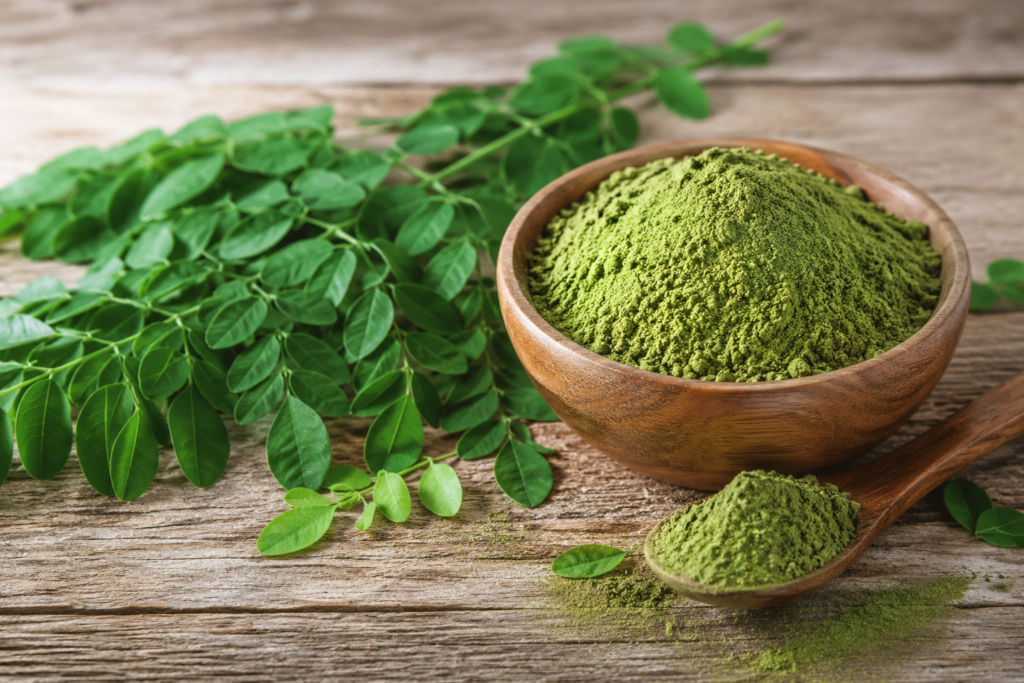
If you’ve spent any time browsing health blogs, Instagram wellness pages, or the supplement aisle lately, chances are you’ve come across a small green leaf with a big reputation: moringa. Nicknamed the “miracle tree,” “tree of life,” and even the “drumstick tree” in parts of South Asia, moringa has quietly gone from a regional folk remedy to one of the most talked-about superfoods in the world.
But is moringa really as powerful as the internet makes it sound, or is it just another wellness trend riding a wave of hype? In this article, we’re going to dig deep into moringa benefits — what the plant actually is, what’s inside it nutritionally, how it may support your skin, hair, immunity, and energy levels, and how you can start using it safely and effectively.
By the end of this guide, you’ll have a clear, honest, and practical understanding of why moringa has earned its place in kitchens, skincare routines, and medicine cabinets around the world.
What Is Moringa?
Moringa (scientific name Moringa oleifera) is a fast-growing, drought-resistant tree native to the foothills of the Himalayas in northern India, though it now grows widely across Africa, Asia, and parts of Latin America. Almost every part of the tree leaves, pods, seeds, flowers, roots, and bark has been used in traditional medicine for centuries, particularly in Ayurvedic practices.
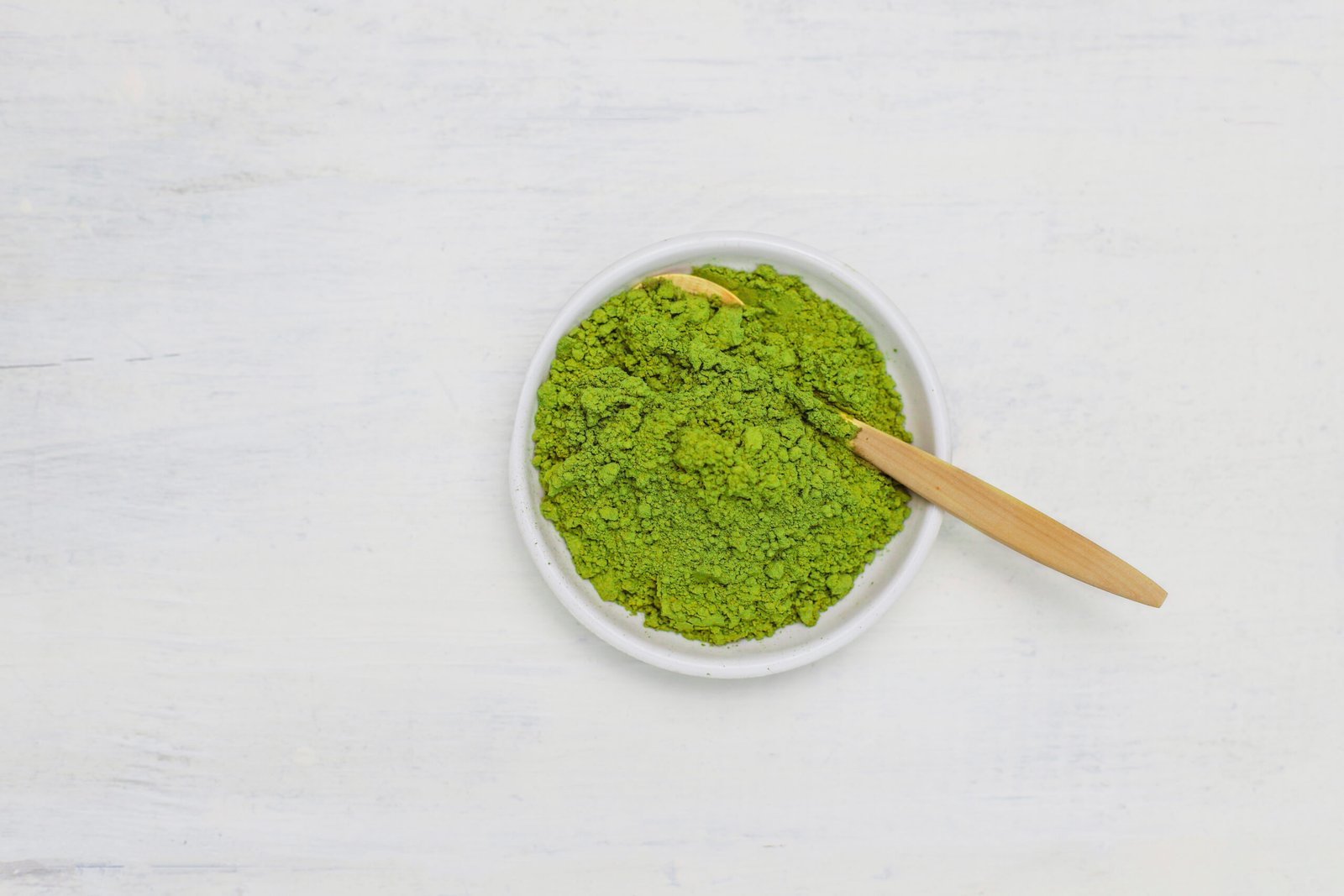
Today, the leaves are the most commonly used part of the plant. They’re typically dried and ground into a fine powder, which is then added to smoothies, teas, capsules, and even skincare products. Moringa is also available as an oil, extracted from its seeds, which is prized in the beauty world for its lightweight texture and nourishing properties.
What sets moringa apart from many other “superfoods” is the sheer density of nutrients packed into its leaves. Gram for gram, moringa leaves contain more vitamin C than oranges, more calcium than milk, more potassium than bananas, and more protein than most leafy greens. That nutritional profile is exactly why researchers and health enthusiasts alike have taken a serious interest in what this humble plant can actually do for the human body.
Moringa Nutritional Profile: Why It’s Called a Superfood
Before diving into specific benefits, it helps to understand what’s actually inside moringa leaves. A typical serving of dried moringa leaf powder (about one tablespoon, or roughly 8 grams) contains a notable amount of:
- Protein — moringa contains all nine essential amino acids, which is rare for a plant-based food
- Vitamin A — important for vision and skin health
- Vitamin C — a powerful antioxidant that supports immune function
- Vitamin E — supports skin and cellular health
- Calcium and Phosphorus — important for bone strength
- Potassium — supports healthy blood pressure and muscle function
- Iron — essential for oxygen transport in the blood
- Polyphenols and Flavonoids — plant compounds with strong antioxidant activity
- Chlorogenic acid and Quercetin — antioxidants linked to blood sugar regulation and heart health
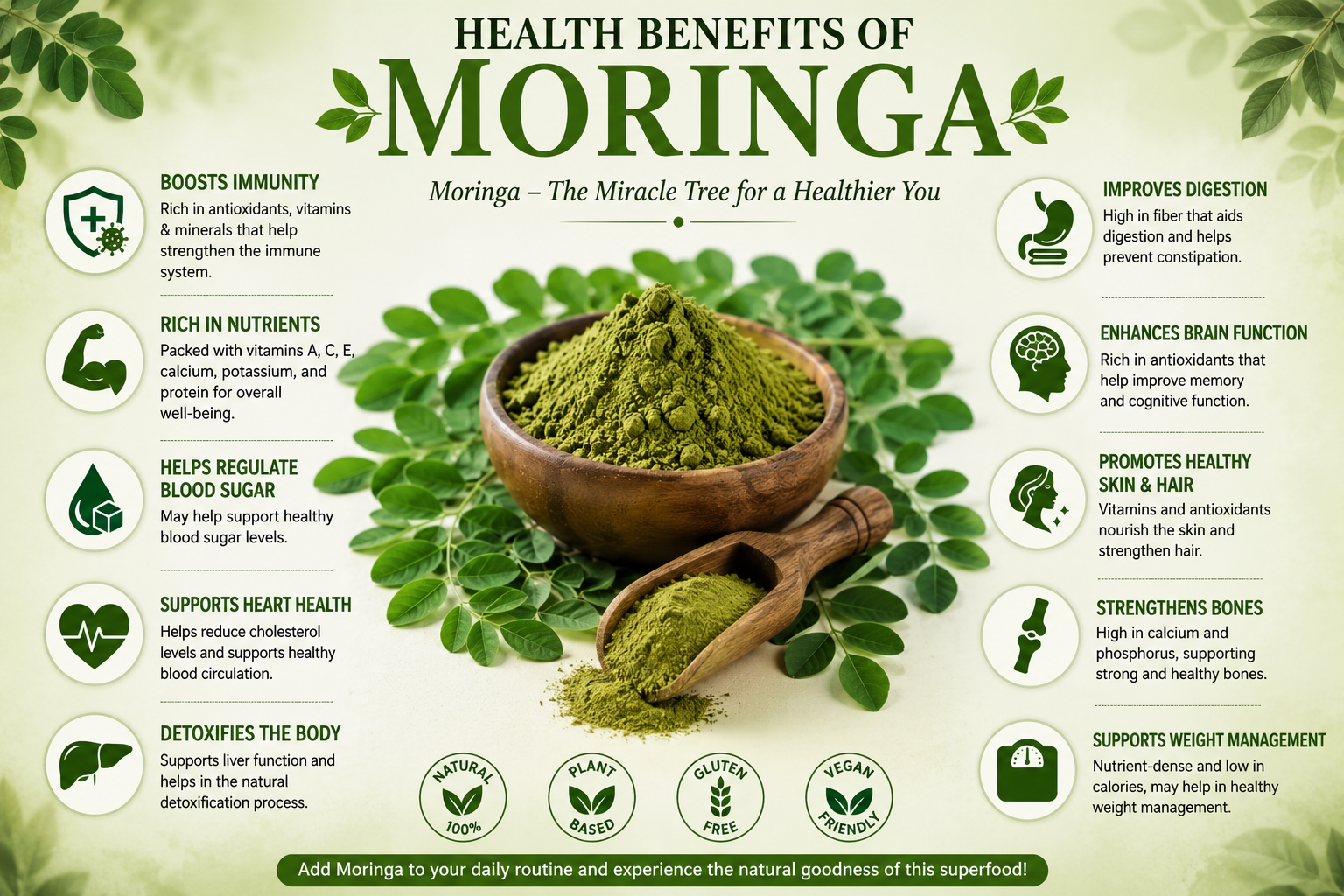
This combination of vitamins, minerals, amino acids, and antioxidant plant compounds is what gives moringa its reputation as a nutritional powerhouse. Few single plants offer this broad a nutrient spectrum in such a small serving size.
Top Moringa Benefits for Overall Health
1. Rich Source of Antioxidants
One of the most well-documented moringa benefits is its high antioxidant content. Antioxidants help neutralize free radicals — unstable molecules that can damage cells and contribute to aging and chronic disease over time.
Moringa leaves are particularly rich in quercetin and chlorogenic acid, two plant compounds studied for their role in reducing oxidative stress. Chlorogenic acid, the same compound found in coffee beans, has also been studied for its potential role in moderating blood sugar spikes after meals.
While moringa shouldn’t be viewed as a cure-all, incorporating an antioxidant-rich food like this into your diet is a reasonable, low-risk way to support your body’s natural defense systems.
2. May Support Healthy Blood Sugar Levels
Several small studies have looked at moringa’s effect on blood sugar, particularly in people with type 2 diabetes or prediabetes. Some research suggests that compounds in moringa leaves — including isothiocyanates and chlorogenic acid — may help improve insulin sensitivity and slow the absorption of sugar into the bloodstream.
That said, this research is still in relatively early stages, and moringa should never replace prescribed diabetes medication. If you have diabetes or are on blood sugar-lowering medication, it’s important to talk to your doctor before adding moringa supplements to your routine, as combining the two could potentially lower blood sugar too much.
3. Supports a Healthy Immune System
Vitamin C plays a central role in immune function, and moringa leaves are an excellent source of it — often containing more per gram than citrus fruits. Alongside vitamin C, moringa’s iron and vitamin A content also contribute to healthy immune cell production and function.
Many people add moringa powder to their morning smoothie or tea specifically during cold and flu season as a simple way to give their immune system some extra nutritional support.
4. May Help Reduce Inflammation
Chronic, low-grade inflammation has been linked to a wide range of health issues, from joint pain to heart disease. Moringa contains isothiocyanates, flavonoids, and other polyphenols that have shown anti-inflammatory activity in laboratory and animal studies.
While more human clinical trials are needed to confirm the extent of these effects, the existing research is promising enough that moringa is increasingly being studied as a complementary approach to managing inflammation, alongside a generally anti-inflammatory diet.
5. May Support Heart Health
Moringa’s potassium content supports healthy blood pressure by helping balance sodium levels in the body, while its antioxidants may help protect blood vessels from oxidative damage. Some early research also suggests moringa may help reduce cholesterol levels, similar to the way oats and flaxseed do.
Heart health is influenced by many factors — diet, exercise, genetics, and lifestyle — so moringa should be seen as one supportive piece of a much bigger picture rather than a standalone solution.
6. May Boost Energy Levels Naturally
Unlike caffeine, which stimulates the nervous system directly, moringa’s potential energy-boosting effect comes from its dense nutrient profile. Iron helps prevent fatigue caused by low oxygen circulation, B-vitamins support energy metabolism, and the plant’s overall nutrient density can help fill common dietary gaps that leave people feeling sluggish.
This is one of the reasons moringa has become popular among people looking for a natural alternative or supplement to their morning coffee.
7. Supports Digestive Health
Moringa leaves contain a good amount of fiber, which supports regular digestion and feeds beneficial gut bacteria. In traditional medicine, moringa has also been used to help soothe an upset stomach, and some modern research has explored its potential mild antibacterial properties, which may help protect against certain digestive pathogens.
8. May Support Bone Health
With more calcium per gram than milk, along with phosphorus and other trace minerals, moringa may contribute to maintaining strong, healthy bones over time — particularly useful for people who don’t consume dairy.
Moringa Benefits for Skin
Given that this is a health and beauty blog, it’s worth taking a closer look at what moringa can do for your skin specifically.
Deep Hydration Without Heaviness
Moringa seed oil is rich in oleic acid, a fatty acid that closely resembles the natural oils your skin produces. This makes it excellent at moisturizing without clogging pores, which is why you’ll often find moringa oil in serums and facial oils marketed toward acne-prone or combination skin.
Antioxidant Protection Against Aging
The vitamin E and vitamin C found in moringa help combat oxidative stress caused by sun exposure, pollution, and everyday environmental damage — all of which contribute to premature fine lines and dull-looking skin. Regular use of moringa-based skincare may help support a more even, radiant complexion over time.
Soothing for Irritated Skin
Thanks to its anti-inflammatory compounds, moringa is sometimes used in formulations designed to calm redness and irritation. Some people also use moringa oil or paste as a natural remedy for minor skin issues, though it’s always wise to patch-test any new ingredient before applying it broadly.
Supports Skin Elasticity
Moringa contains compounds that may support collagen production, which is essential for keeping skin firm and elastic. As we age, natural collagen production slows down, so antioxidant-rich plant ingredients like moringa are often included in anti-aging skincare formulations for this reason.
If you’re interested in other natural ingredients with strong evidence behind their skin and health benefits, honey is another fantastic option worth exploring. We’ve covered this in detail in our article on whether honey is truly good for health, where we break down the science behind honey’s antibacterial and skin-soothing properties — a great complementary read if you’re building a natural, ingredient-conscious beauty routine.
Moringa Benefits for Hair
Moringa isn’t just a skin-care favorite — it’s increasingly showing up in shampoos, hair oils, and hair masks too.
Strengthens Hair from the Root
Moringa is rich in amino acids, particularly the building blocks needed for keratin production — the main structural protein in hair. This may help support stronger, less brittle strands over time.
Nourishes the Scalp
A healthy scalp is the foundation of healthy hair growth, and moringa’s vitamin and mineral content may help nourish the scalp, potentially reducing dryness and flakiness when used consistently in oils or hair masks.
Adds Natural Shine
The fatty acids in moringa oil can help coat the hair shaft, reducing frizz and adding a natural, healthy-looking shine without the greasy residue that heavier oils sometimes leave behind.
May Help Reduce Hair Fall
While no natural ingredient can promise to completely stop hair loss, the combination of improved scalp health, better nutrient delivery to hair follicles, and reduced breakage may contribute to healthier-looking hair with less shedding over time.
How to Use Moringa: Practical Ways to Add It to Your Routine
One of the best things about moringa is how versatile it is. Here are the most common and effective ways to use it:
1. Moringa Powder
This is the most popular and widely available form. You can:
- Stir a teaspoon into smoothies, juices, or water
- Mix it into soups, curries, or sauces
- Add it to homemade energy balls or baked goods
- Whisk it into salad dressings
Start with a small amount (around ½ teaspoon per day) and gradually increase to 1–2 teaspoons as your body adjusts, since moringa has a fairly strong, earthy taste.
2. Moringa Tea
Dried moringa leaves can be steeped in hot water for a mild, grassy-tasting herbal tea. Many people enjoy it in the morning as a caffeine-free energy booster, or in the evening as a calming ritual.
3. Moringa Capsules or Supplements
For those who don’t enjoy the taste of moringa, capsules offer a convenient, measured alternative. Look for products that list the exact moringa dosage per capsule and are third-party tested for purity.
4. Moringa Oil for Skin and Hair
Moringa seed oil can be used directly on the skin as a moisturizer, massaged into the scalp before washing, or added to homemade face masks and hair treatments. A little goes a long way — a few drops are usually enough for the face.
5. Moringa Face Masks
Mix moringa powder with honey, yogurt, or aloe vera gel to create a simple at-home face mask. Leave it on for 10–15 minutes before rinsing for a nourishing, antioxidant-rich skin treatment.
Moringa Side Effects and Precautions
While moringa is generally considered safe for most healthy adults when consumed in food-level amounts, there are a few important precautions to keep in mind:
- Pregnancy: The bark, roots, and flowers of the moringa plant (not the leaves) have traditionally been linked to uterine contractions and are generally advised against during pregnancy. Pregnant individuals should consult their doctor before using any moringa products.
- Medication Interactions: Because moringa may lower blood sugar and blood pressure, it can interact with medications for diabetes, hypertension, or thyroid conditions. Always speak with a healthcare provider before starting moringa if you’re on any prescription medication.
- Digestive Sensitivity: Some people experience mild digestive upset, such as bloating or diarrhea, especially when starting with too high a dose. Start small and increase gradually.
- Liver Considerations: A few animal studies have raised questions about high-dose moringa extract and liver enzyme changes, though this hasn’t been strongly established in humans. Sticking to moderate, food-level amounts is the safest approach.
- Allergic Reactions: As with any new food or skincare ingredient, it’s a good idea to patch-test moringa oil on a small area of skin before broader use, and to introduce moringa powder into your diet gradually.
As always, moringa should complement — not replace — a balanced diet, regular exercise, and any treatment plan prescribed by a healthcare professional.
Who Might Benefit Most from Moringa?
While moringa can be a helpful addition to almost anyone’s routine, it may be especially useful for:
- People looking for a natural, plant-based source of iron and protein
- Those wanting extra antioxidant support in their diet
- Individuals interested in natural skincare and haircare ingredients
- People seeking a gentle, food-based energy boost without caffeine
- Anyone looking to fill common nutritional gaps, particularly in vitamin A, C, and calcium
Frequently Asked Questions About Moringa Benefits
Is it safe to take moringa every day? For most healthy adults, consuming moderate amounts of moringa powder (1–2 teaspoons daily) is generally considered safe. As with any supplement, it’s best to start slowly and consult a healthcare provider if you have any underlying health conditions.
Does moringa help with weight loss? Moringa isn’t a direct fat-burning agent, but its fiber and protein content may help support feelings of fullness, and its nutrient density can support overall metabolic health when combined with a balanced diet and regular activity.
Can moringa be applied directly to the face? Yes, moringa oil is generally safe for direct application and is well-tolerated by most skin types, including sensitive skin. As always, patch-test first to be sure.
How long does it take to see benefits from moringa? This varies by individual and by the specific benefit in question. Some people report feeling more energized within a week or two, while benefits for skin, hair, and long-term health markers typically take consistent use over several weeks to months.
Is moringa better than other superfoods like spirulina or matcha? Each superfood has its own unique nutrient profile and benefits. Moringa stands out for its exceptional vitamin, mineral, and amino acid density, but it doesn’t need to replace other nutritious foods — it can simply be one more valuable addition to a varied, whole-food diet.
Final Thoughts
Moringa has earned its “miracle tree” nickname for good reason. From its impressive nutritional density to its potential benefits for skin, hair, immunity, and overall wellness, this humble plant offers a lot in a small package. That said, it’s important to approach moringa the way you would any natural remedy — with realistic expectations, a bit of patience, and awareness of your own health needs.
Whether you choose to sip it as a tea, blend it into your morning smoothie, or work it into your skincare routine, moringa is a simple, accessible way to add more plant-based nutrition into your daily life. And if you’re already exploring natural ingredients for your health and beauty routine, don’t miss our deep dive into the real, science-backed truth about honey’s health benefits another timeless natural ingredient worth understanding fully before you add it to your routine.
As always, listen to your body, introduce new ingredients gradually, and check in with a healthcare professional if you have any specific medical concerns. Nature offers a lot of powerful tools — moringa is simply one more worth having in your wellness toolkit.