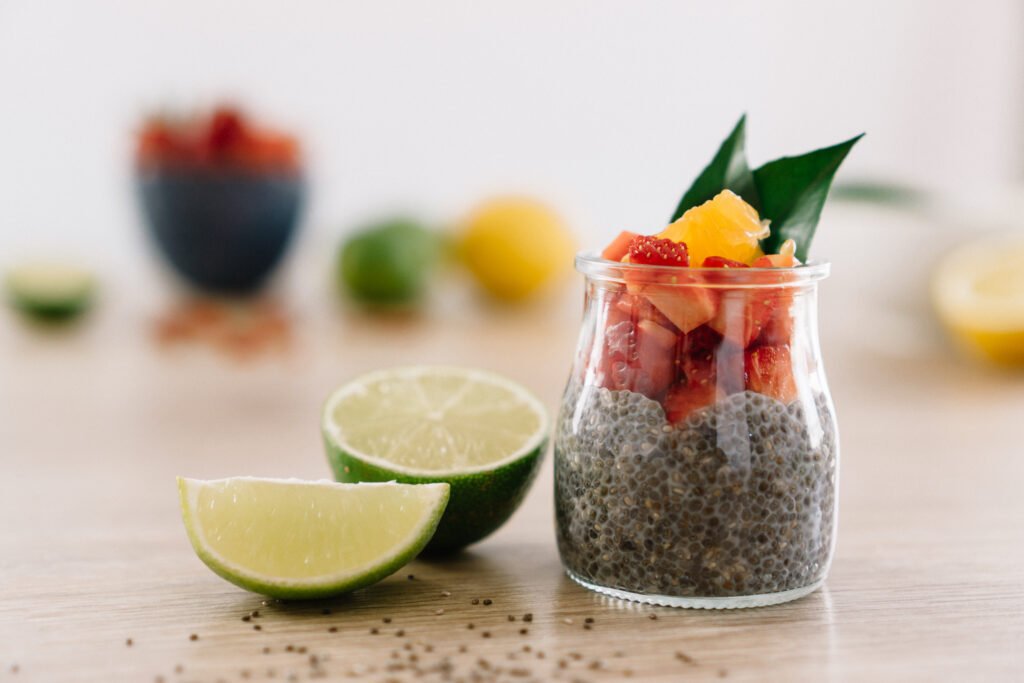
My grandmother used to say the best things in the kitchen are usually the ones you almost overlook. Chia seeds are a perfect example. They’re barely bigger than a grain of sand, they don’t smell like much, and on their own they taste like… well, almost nothing. Yet somehow this unassuming little seed has earned a permanent spot in smoothies, puddings, and pantries all over the world — and once you understand what’s actually inside them, it makes complete sense why.
Chia isn’t some trendy TikTok discovery, either. Aztec and Mayan warriors relied on it for energy centuries before “superfood” was even a word. What’s changed is that modern nutrition science has finally caught up and confirmed what those ancient cultures already knew: these seeds carry an outsized nutritional punch for their size. A couple of spoonfuls deliver fiber, plant protein, omega-3s, and a solid dose of minerals, all wrapped up in something so mild-tasting it disappears into almost any meal you throw it into.
So let’s actually get into it. Below, we’ll walk through what makes up a chia seed nutritionally, the real benefits backed by research, easy ways to start eating them, a few things to watch out for, and the questions people ask most often. By the time you’re done reading, you’ll know exactly why so many nutritionists keep coming back to this one tiny seed.
What Are Chia Seeds, Exactly?
Chia seeds come from the plant Salvia hispanica, a flowering plant in the mint family that’s native to Mexico and Guatemala. The seeds themselves are tiny — about the size of a poppy seed — and come in both black and white varieties, though nutritionally they’re nearly identical.
What makes chia seeds so unique is their ability to absorb liquid. When soaked in water, milk, or juice, chia seeds can absorb up to 10-12 times their weight in liquid, forming a gel-like consistency. This single property is responsible for many of the chia seeds benefits we’ll explore below, especially when it comes to digestion and blood sugar regulation.
They’re also incredibly versatile. Because chia seeds have a mild, nutty flavor, they can be added to almost any dish without overpowering it — smoothies, oatmeal, yogurt, baked goods, salads, and even soups.
Chia Seeds Nutritional Profile
Before we get into the benefits, let’s talk numbers. A single ounce (about 28 grams, or roughly two tablespoons) of chia seeds contains approximately:
- 138 calories
- 4.7 grams of protein
- 8.7 grams of fat (mostly omega-3 fatty acids)
- 12 grams of carbohydrates
- 9.8 grams of fiber
- 18% of the Reference Daily Intake (RDI) for calcium
- 27% of the RDI for phosphorus
- 30% of the RDI for manganese
- 30% of the RDI for magnesium
That’s an extraordinary nutrient density for such a small serving size. Chia seeds are also one of the richest plant-based sources of omega-3 fatty acids, specifically alpha-linolenic acid (ALA), and they contain a range of antioxidants that help protect the body’s cells from oxidative stress.
Now let’s get into the good stuff — the actual health benefits.
1. Chia Seeds Are Loaded With Fiber
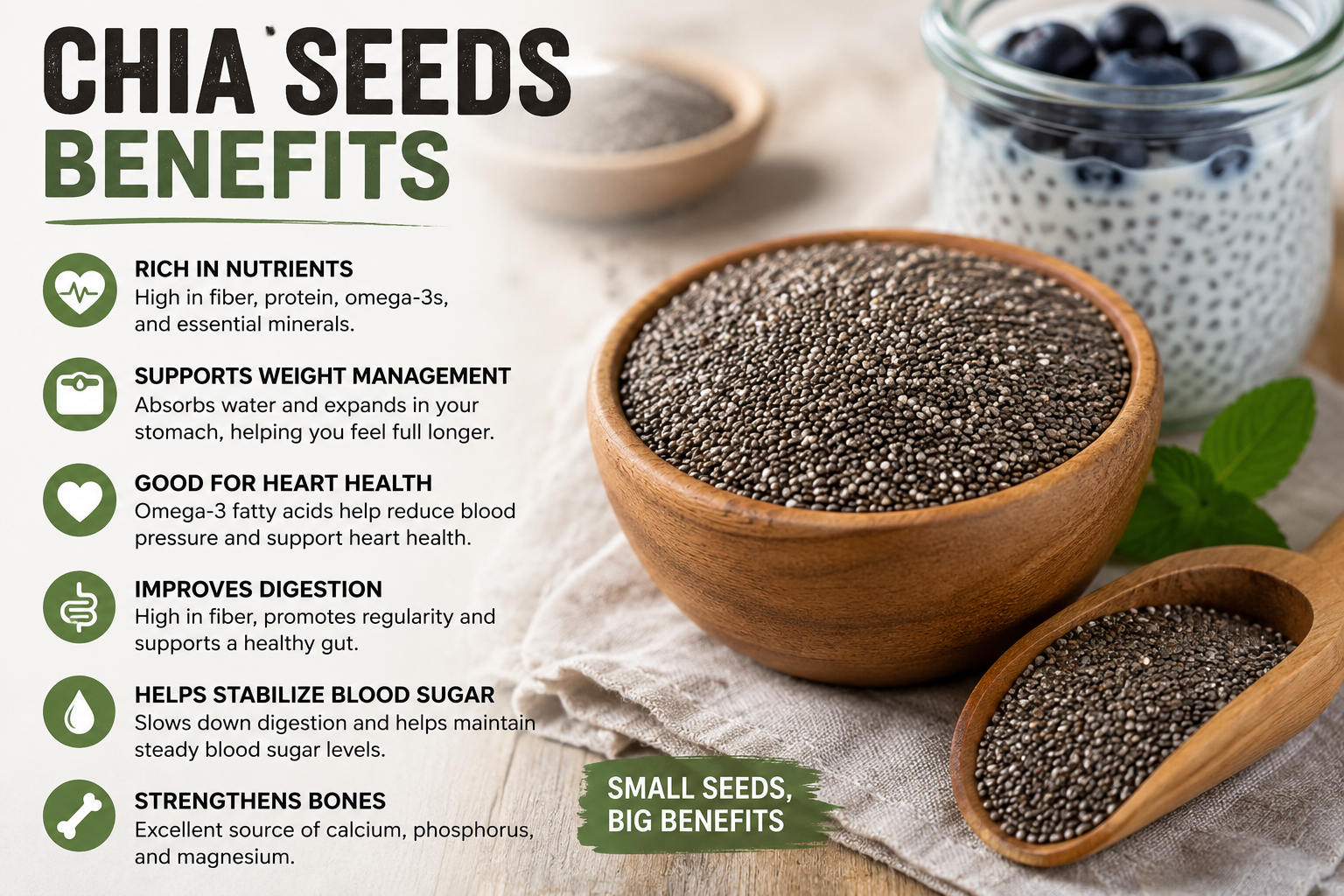
One of the most well-documented chia seed benefits is their extraordinarily high fiber content. With nearly 10 grams of fiber per ounce, chia seeds are one of the best fiber sources you can find in any food, plant, or animal.
Fiber plays a critical role in digestive health, feeding the beneficial bacteria in your gut and helping to keep your bowel movements regular. Most of the fiber in chia seeds is soluble fiber, which absorbs water and forms a gel-like substance in your stomach. This slows digestion, which can help you feel full for longer and may support healthy blood sugar levels.
Given that most people don’t come close to meeting their daily fiber recommendations, adding a couple of tablespoons of chia seeds to your diet is a simple, effective way to close that gap. If you’re building a broader superfood routine, chia seeds pair especially well with other nutrient-dense staples — check out our complete guide to moringa benefits for another plant-based powerhouse worth adding to your pantry.
2. They May Support Heart Health
With heart disease still topping the list of the world’s biggest health threats, it’s worth paying attention to anything that genuinely supports your cardiovascular system. Chia seeds seem to help in a few different ways at once.
First, they’re rich in ALA, an omega-3 fatty acid, which has been associated with reduced inflammation and improved heart health markers. Second, the soluble fiber in chia seeds can help reduce LDL (“bad”) cholesterol levels by binding to bile acids and promoting their excretion, thereby forcing the body to pull cholesterol from the blood to produce more bile.
Some studies have also found that regular chia seed consumption may help modestly lower blood pressure, another key risk factor for heart disease. While chia seeds certainly aren’t a substitute for medical treatment or a balanced diet, they can be a smart addition to a heart-healthy eating pattern.
3. Chia Seeds May Aid Weight Management
Trying to shed a few pounds without feeling hungry all the time? This might be the single most talked-about reason people start eating chia seeds in the first place, and the science actually backs it up.
The combination of fiber and protein in chia seeds slows digestion and promotes feelings of fullness, which can naturally reduce overall calorie intake. When chia seeds absorb liquid and expand in your stomach, they physically take up more space, which can further enhance that satiety effect.
While chia seeds alone won’t melt away fat, incorporating them into a balanced, calorie-conscious diet can make it easier to stick to your eating plan by curbing cravings and unnecessary snacking between meals.
4. They’re an Excellent Plant-Based Protein Source
For vegetarians, vegans, or anyone trying to reduce their meat consumption, finding quality plant-based protein sources is essential. Chia seeds contain nearly 5 grams of protein per ounce, and unlike many plant proteins, they contain all nine essential amino acids, making them a more complete protein source.
While you’d still need to combine chia seeds with other protein sources to meet your daily needs, they’re a valuable addition to smoothies, oatmeal bowls, and baked goods for anyone looking to boost their protein intake without relying solely on animal products.
5. Chia Seeds Are Packed With Antioxidants
Free radicals — those unstable molecules floating around your body — are a big part of why we age and why certain chronic diseases develop in the first place. Antioxidants are your body’s defense against them.
Chia seeds contain several types of antioxidants, including chlorogenic acid, caffeic acid, quercetin, and kaempferol. These compounds have been studied for their potential to reduce inflammation and protect against oxidative stress, which is linked to conditions ranging from heart disease to certain cancers.
Eating antioxidant-rich foods like chia seeds, alongside colorful fruits and vegetables, is one of the simplest ways to support your body’s natural defense systems.
6. They May Help Regulate Blood Sugar Levels
Whether you’re managing diabetes, watching for prediabetes, or just tired of that 3 p.m. energy crash, keeping blood sugar steady matters more than most people realize — and this is where chia really shines.
The soluble fiber in chia seeds slows the rate at which food moves through your digestive system and is absorbed into your bloodstream. This can help prevent the sharp spikes and subsequent crashes in blood sugar that often follow meals high in refined carbohydrates.
Some research has suggested that chia seeds may improve insulin sensitivity, though more studies in humans are needed to fully understand this effect. Still, for anyone looking to stabilize their energy levels throughout the day, chia seeds are a smart addition to meals, especially when paired with carbohydrate-rich foods.
7. Chia Seeds Support Bone Health
When people think about bone health, calcium usually comes to mind first — and chia seeds happen to be an excellent plant-based source of it, offering around 18% of your daily calcium needs in just one ounce.
But bone health isn’t just about calcium. Chia seeds also provide phosphorus, magnesium, and protein, all of which play important roles in maintaining bone density and structure. Magnesium in particular helps your body convert vitamin D into its active form, which is essential for calcium absorption.
For those who don’t consume dairy, chia seeds offer a valuable, easily absorbed source of the nutrients your skeletal system needs to stay strong.
8. They May Improve Skin Health
There’s real truth to the idea that healthy skin starts on the inside, and it’s a big reason chia seeds have found such a loyal following in beauty circles. Their omega-3 content helps keep your skin’s natural moisture barrier intact, which means less dryness and irritation.
The antioxidants in chia seeds also help combat the oxidative stress that contributes to premature skin aging, including fine lines and dullness. Meanwhile, the zinc content in chia seeds supports skin repair and may help with acne-prone skin, since zinc has been shown to have anti-inflammatory properties.
Many people also apply chia seed gel topically as a natural, hydrating face mask ingredient, though eating them consistently is where the real long-term benefits come from.
9. Chia Seeds Provide Long-Lasting Energy
Because chia seeds digest slowly thanks to their fiber and fat content, they provide a steady release of energy rather than the quick spike and crash you might get from sugary snacks. This makes them a favorite among athletes and active individuals.
In fact, chia seeds have historical roots as an endurance food — ancient runners and warriors reportedly relied on them for sustained energy during long journeys and physical exertion. Today, many people add chia seeds to pre-workout smoothies or energy bars for the same reason: a steady, crash-free source of fuel.
10. They May Support Digestive Health
We touched on fiber earlier, but it’s worth expanding on just how much chia seeds can do for your gut. The gel-forming property of chia seeds when mixed with liquid acts almost like a natural stool softener, which can help relieve constipation and promote regularity.
Additionally, fiber acts as a prebiotic, feeding the beneficial bacteria in your gut microbiome. A healthy gut microbiome has been linked to everything from improved immunity to better mood regulation, making this one of the more far-reaching chia seeds benefits.
If you’re new to chia seeds, it’s worth starting with a small amount and gradually increasing your intake, as a sudden jump in fiber consumption can cause temporary bloating or gas.
11. Chia Seeds May Help Reduce Inflammation
Chronic inflammation is increasingly recognized as an underlying factor in many diseases, from arthritis to heart disease to certain cancers. The omega-3 fatty acids and antioxidants in chia seeds may help combat this by reducing markers of inflammation in the body.
While no single food can eliminate chronic inflammation on its own, incorporating anti-inflammatory foods like chia seeds into an overall healthy diet — one rich in vegetables, healthy fats, and whole foods — can make a meaningful difference over time.
12. They’re Naturally Gluten-Free
For anyone with celiac disease or gluten sensitivity, finding versatile, nutrient-dense ingredients can be a challenge. Chia seeds are naturally gluten-free and can be used in a variety of gluten-free recipes, from baked goods to thickening agents for sauces and puddings.
Chia seeds are often used as an egg substitute in vegan gluten-free baking too. Simply mix one tablespoon of ground chia seeds with three tablespoons of water and let it sit for a few minutes until it forms a gel — this “chia egg” works wonderfully as a binding agent in recipes.
13. Chia Seeds May Support Healthy Cholesterol Levels
We touched on heart health earlier, but cholesterol deserves its own spotlight. Several studies have found that regular consumption of chia seeds may help increase HDL (“good”) cholesterol while reducing triglycerides, a type of fat in the blood that’s linked to increased heart disease risk when elevated.
This effect is largely attributed to the omega-3 fatty acid content combined with the soluble fiber, working together to improve your overall lipid profile.
14. They May Benefit Bone and Joint Comfort
Beyond bone density, some people report that the anti-inflammatory properties of chia seeds’ omega-3 content may help ease joint discomfort associated with conditions like arthritis. While chia seeds shouldn’t replace prescribed treatments, they may serve as a helpful dietary complement for those managing joint-related inflammation.
15. Chia Seeds Support Hydration
Remember that impressive gel-forming ability we mentioned earlier? It doesn’t just help with digestion — it can also support hydration. Because chia seeds absorb so much liquid, consuming them (especially before physical activity in hot weather) can help your body retain water for longer, which is why they’ve historically been used by runners and desert travelers.
This is one of the lesser-known chia seeds benefits, but it’s a fascinating example of how a simple seed can have such a wide-reaching impact on the body.
How to Add Chia Seeds to Your Diet
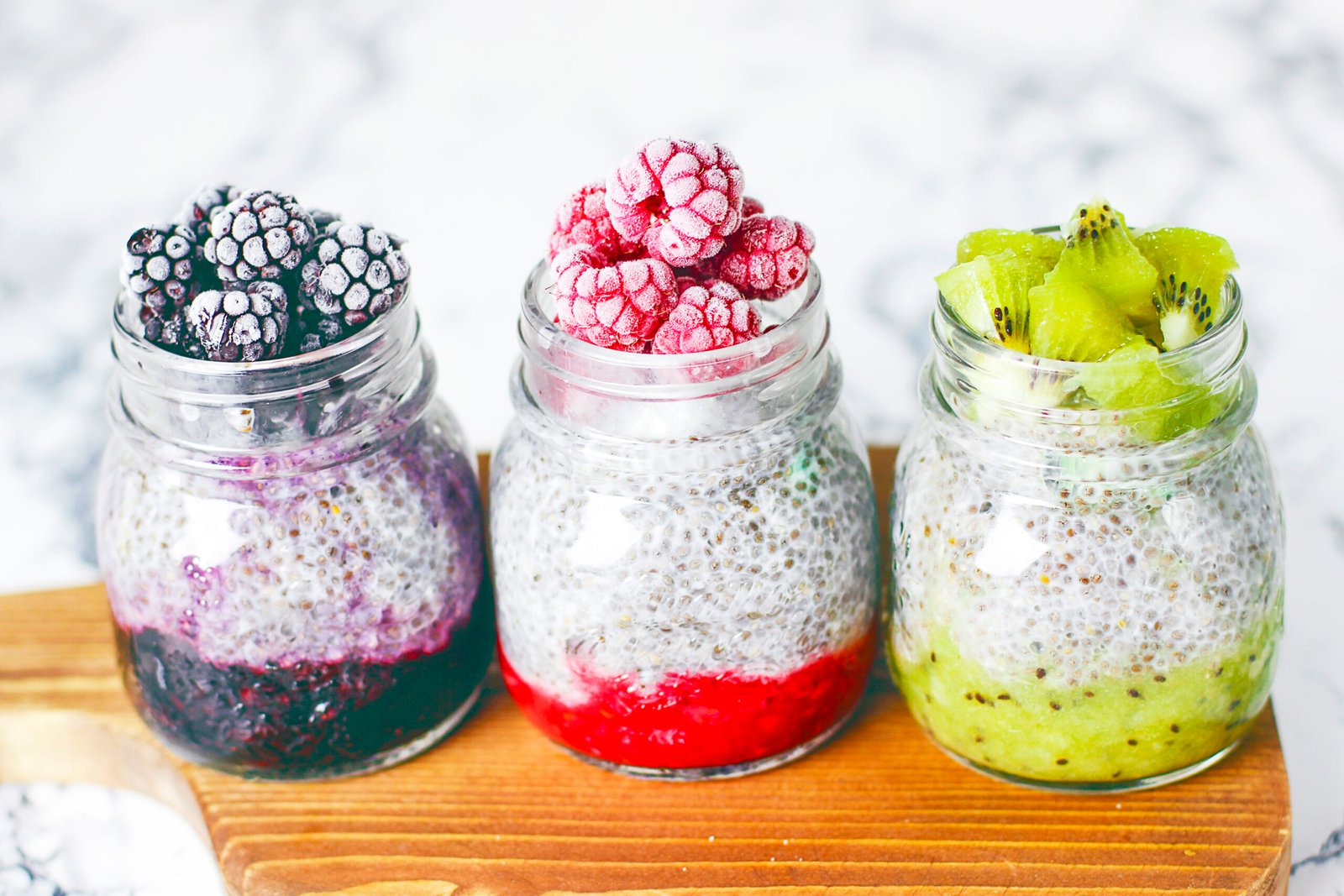
Chia Seeds Benefits Smoothies
One of the best things about chia seeds is how effortless they are to incorporate into your everyday meals. Here are some simple, practical ways to enjoy them:
- Chia pudding: Mix chia seeds with milk (dairy or plant-based) and a touch of sweetener, then refrigerate overnight for a delicious, fiber-rich breakfast or dessert.
- Smoothies: Blend a tablespoon or two into your favorite smoothie for an added nutritional boost.
- Oatmeal or yogurt topping: Sprinkle chia seeds over your morning oatmeal or yogurt bowl for extra crunch and nutrition.
- Baking: Add chia seeds to muffins, bread, or pancake batter.
- Egg substitute: Use a chia “egg” (as mentioned above) in vegan baking recipes.
- Salad topper: Sprinkle over salads for added texture and nutrients.
- Homemade jam: Chia seeds can thicken fruit into a naturally sweetened jam without the need for pectin.
A general recommendation is to start with about one tablespoon per day and gradually work your way up to two tablespoons, depending on your personal tolerance and dietary needs.
Potential Side Effects and Precautions
While chia seeds are generally safe for most people, there are a few things worth keeping in mind:
Digestive discomfort: Because of their high fiber content, consuming too many chia seeds too quickly can lead to bloating, gas, or stomach discomfort. It’s best to start slow and drink plenty of water.
Choking hazard: Dry chia seeds can absorb liquid quickly, which means consuming them dry (without soaking first) and then drinking water immediately after could theoretically cause them to expand in the throat. It’s generally recommended to soak chia seeds before eating them, especially if you have any swallowing difficulties.
Blood thinning: Because chia seeds have mild blood-thinning properties due to their omega-3 content, individuals on blood-thinning medications should talk to their doctor before significantly increasing their intake.
Allergies: Though rare, some individuals may have allergic reactions to chia seeds. If you experience any unusual symptoms after eating them for the first time, discontinue use and consult a healthcare professional.
As with any dietary change, it’s always a good idea to speak with a doctor or registered dietitian, especially if you have underlying health conditions or take medications regularly.
Chia Seeds vs. Flax Seeds: What’s the Difference?
Chia and flax seeds are often compared since they’re both small, fiber-rich, omega-3-packed seeds. The key difference lies in digestibility and preparation. Flax seeds need to be ground to be properly digested and absorbed, while chia seeds can be eaten whole and still offer their full nutritional benefits, since their outer shell is more digestible.
Both are excellent additions to a healthy diet, and there’s no harm in incorporating both into your routine for variety.
Frequently Asked Questions About Chia Seeds Benefits
How much chia seeds should I eat per day? Most nutrition experts recommend about one to two tablespoons (roughly 15-30 grams) per day as a safe and effective amount for most adults.
Can I eat chia seeds every day? Yes, chia seeds are safe to eat daily for most people when consumed in moderate amounts as part of a balanced diet.
Do chia seeds help you lose belly fat specifically? Chia seeds can support overall weight management through increased satiety and fiber intake, but no food can target fat loss in one specific area of the body.
Should I soak chia seeds before eating them? Soaking chia seeds in liquid for at least 10-15 minutes (or overnight) helps activate their gel-forming properties and makes them easier and safer to digest.
Can chia seeds go bad? Yes, though they have a relatively long shelf life. Store chia seeds in an airtight container in a cool, dry place, and they should stay fresh for one to two years.
Final Thoughts on Chia Seeds Benefits
It’s rare to find a food so small that offers such a wide range of health benefits, but chia seeds truly earn their “superfood” reputation. From supporting heart health and digestion to promoting glowing skin and stable energy levels, the chia seeds benefits we’ve covered in this article make a compelling case for adding this humble seed to your daily routine.
The best part? You don’t need to overhaul your entire diet to enjoy these benefits. A simple tablespoon or two sprinkled into your morning smoothie, oatmeal, or homemade pudding is all it takes to start reaping the rewards.
As always, balance and consistency matter more than any single “superfood.” Pair your chia seed habit with a varied, whole-food-based diet, regular movement, and good hydration, and you’ll be well on your way to supporting your overall health and beauty from the inside out.