There’s something that has been sitting quietly in the corner of our kitchens for generations, yet most of us never realized its true power. That thing is rice rinse water — commonly known as rice water. That cloudy white water left over after washing rice before cooking is something we usually just pour down the drain, but it turns out to be a kind of natural magic for the skin.
Rice water for face has been a part of skincare routines among Japanese and Korean women for hundreds of years. A group of women in Japan known as the “Yu-Su-Ru” are still known for washing their faces and hair with this water, and their skin and hair often look far younger than their actual age. In this article, we’ll cover everything from start to finish — how to prepare rice water, how to apply it to your face, what benefits you can expect, and what precautions you should keep in mind.
If you’re tired of buying expensive cosmetic products over and over, or if you want to take care of your skin using natural, home-based methods, this article is for you. Let’s get started.
What Exactly Is Rice Water?
Rice water is simply the water left behind after soaking or rinsing rice. This water contains starch released from the rice, along with various vitamins, minerals, and antioxidants. When rice sits in water — whether soaked or rinsed — some of its surface nutrients dissolve into the water.
This water typically contains:
- Starch — forms a natural film on the skin that helps retain moisture
- B-complex vitamins — support skin cell regeneration
- Vitamin E — acts as an antioxidant
- Ferulic acid and allantoin — help reduce inflammation
- Amino acids — help strengthen skin structure
Thanks to this combination of ingredients, using rice water for face may leave your skin feeling soft, smooth, and more radiant. While it’s not a medical treatment, it can be a wonderful addition to your home skincare routine.
Benefits of Rice Water for Skin Care
Now let’s get to the real question — what benefits can you actually get from applying rice water to your face? Let’s discuss this in detail.
1. Helps Brighten the Skin
Using rice water for the face regularly as part of your routine may help restore your skin’s natural glow. The antioxidants in rice water help remove dead skin cells, which can make your skin look fresher and more vibrant.
2. Helps Minimize Pores
The natural astringent properties in rice water may help tighten and shrink pores. This can make your skin appear smoother and more refined, which is especially helpful for people with oily skin.
3. Helps Reduce Inflammation and Redness
The allantoin present in rice water may help calm skin inflammation, rashes, or sunburn. For people with sensitive skin that turns red easily, this can serve as a soothing ingredient.
4. Works as a Natural Moisturizer
The starch in rice water forms a thin protective layer on the skin, which helps retain moisture. People with dry skin who use it regularly may notice a reduction in roughness over time.
5. Helps Reduce Signs of Aging
The ferulic acid and other antioxidants in rice water help fight free radicals, which may help prevent premature signs of aging on the skin. With regular use, fine lines and wrinkles may become less noticeable.
6. Helps Even Out Skin Tone
Many people struggle with uneven skin tone, acne scars, or sun spots. Regular use of rice water for face may gradually help reduce this unevenness, bringing the skin tone closer together.
7. Keeps Skin Cool and Refreshed
During summer, freezing rice water into ice cubes and rubbing them on the face can provide instant cooling and refreshment. This also helps soothe sunburned skin.
8. Works as a Natural Toner
Wiping your face with rice water after washing acts as a natural toner. It helps maintain the skin’s pH balance and leaves the skin feeling clean.
How to Prepare Rice Water: A Step-by-Step Guide
There are multiple ways to prepare rice water. Below are the three most popular methods, explained in detail.
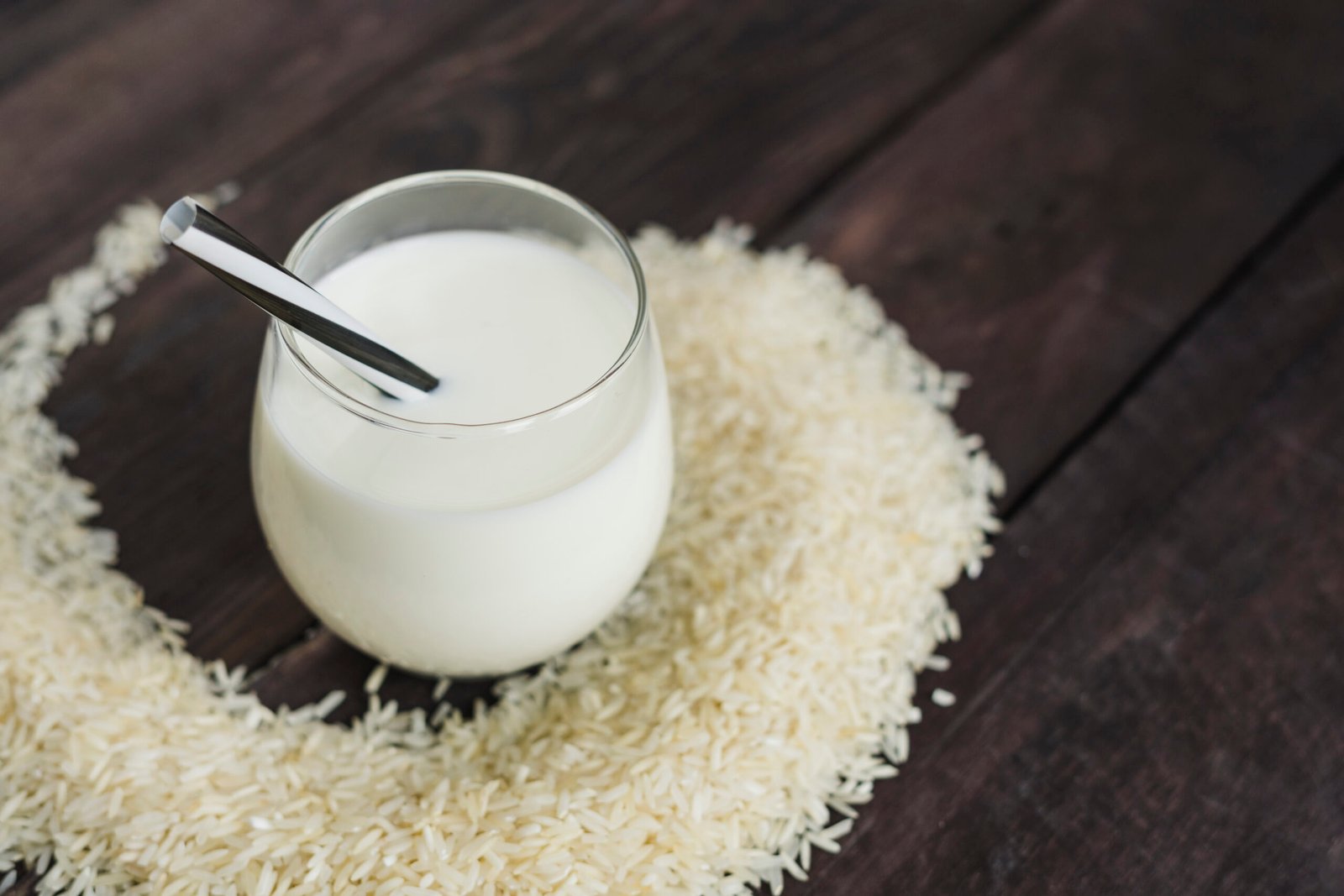
Method 1: Simple Rinsing Method
This is the easiest and quickest method.
What you’ll need:
- Half a cup of raw rice (white or brown, either works)
- 2 cups of clean water
- A bowl or container
Steps:
- First, wash the rice thoroughly to remove dirt and dust
- Put the rice and water together in a bowl
- Rub the rice with your hands and rinse it well until the water turns milky white
- Strain this milky white water into a clean container
- Set the rice aside for cooking
Water prepared this way is the mildest, but should be used relatively quickly.
Method 2: Soaking Method
This method allows more nutrients to accumulate in the water.
Steps:
- Wash half a cup of rice thoroughly
- Put the rice with 2-3 cups of water in a container
- Cover it and let it soak for 30 minutes to an hour
- Once the water turns cloudy, strain it into a separate container
- If you like, you can store it in the refrigerator for up to 2-3 days
Method 3: Fermented Rice Water
This method produces water with the highest nutrient content, since fermentation increases the antioxidant levels in the water. However, it takes a bit more time.
Steps:
- Prepare rice water using the soaking method above
- Pour this water into a glass container and leave it at room temperature for 12-24 hours (less time in summer, more in winter)
- Once the water develops a mild sour smell, fermentation is complete
- Boil the water afterward to stop the fermentation process and kill any harmful bacteria
- Let it cool and store it in the refrigerator
Caution: Always check the smell before using fermented water. If it smells overly rotten or unusual, discard it and prepare a fresh batch.
Rice Water for Face: Different Ways to Apply It
Once your rice water is ready, it’s time for the real work — how to apply it to your face. Below are some popular and effective methods.
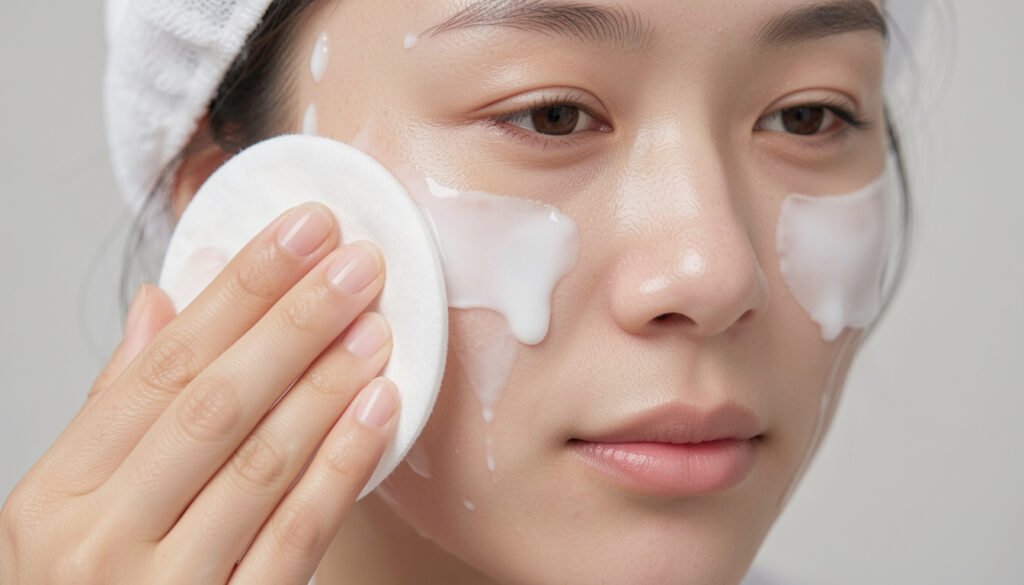
1. As a Facial Toner
- Wash your face thoroughly with a face wash
- Soak a cotton ball in rice water
- Gently sweep it across your entire face and neck
- Leave it on for 5-10 minutes to dry
- Then rinse with plain water or apply moisturizer
This can be used twice a day — morning and night.
2. As a Face Mask
Rice water can be mixed with other ingredients to create an effective mask.
Honey and Rice Water Mask:
- Mix 2 tablespoons of rice water with 1 teaspoon of pure honey
- Make a paste and apply it to your face
- Leave it on for 15-20 minutes and rinse with cold water once dry
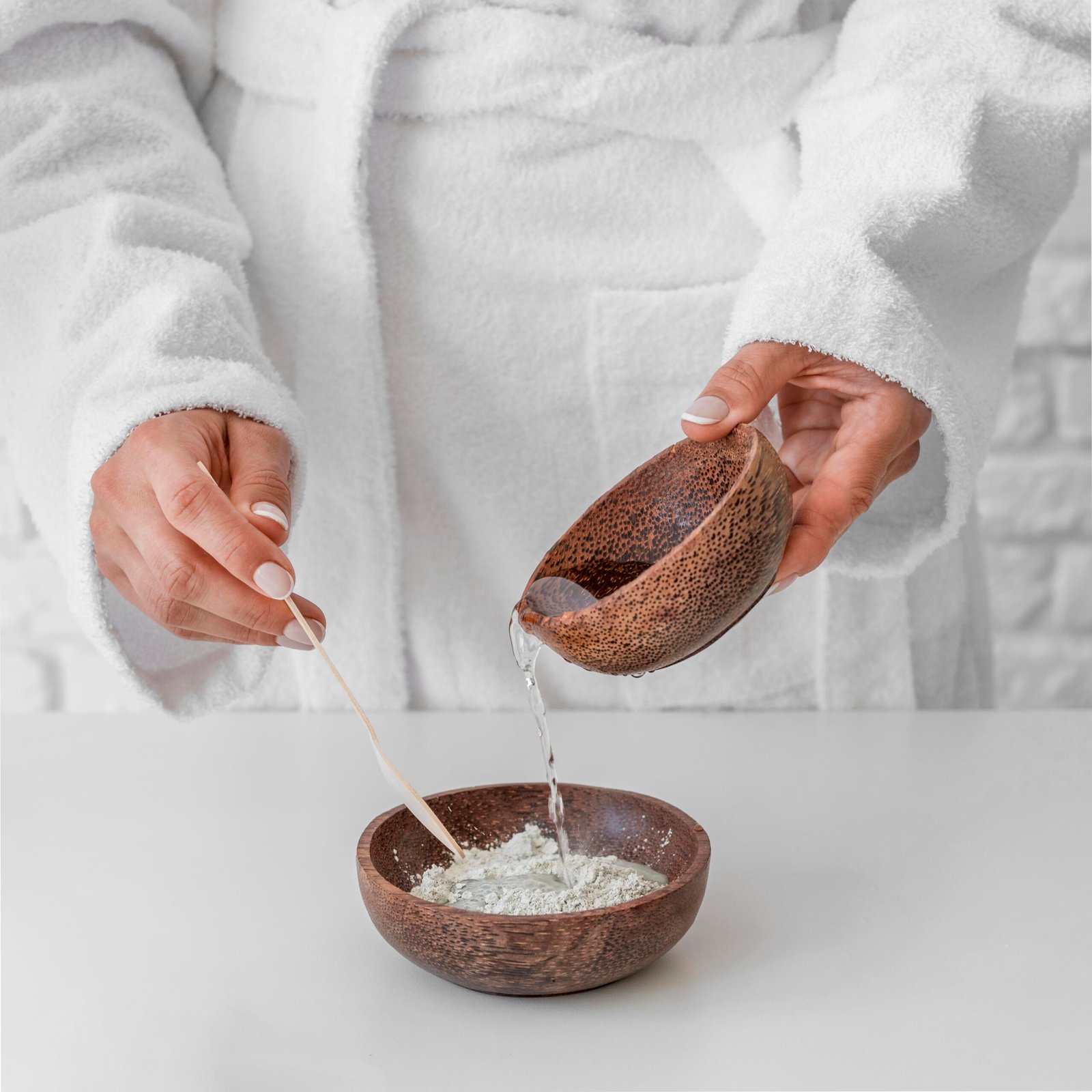
Multani Mitti (Fuller’s Earth) and Rice Water Mask:
- Mix 2 tablespoons of Multani mitti with enough rice water to form a smooth paste
- Apply to face and leave for 15 minutes
- This is especially beneficial for oily and acne-prone skin
Gram Flour (Besan) and Rice Water Mask:
- Mix 2 tablespoons of gram flour with rice water to make a paste
- Apply to face and neck and leave until it dries
- Gently rub it off — this also acts as a natural scrub
3. As Ice Cubes
- Pour rice water into an ice tray and freeze it
- In the morning after waking up, or before applying makeup, gently rub the ice cube over your face
- This instantly refreshes the skin and helps tighten pores
4. Using a Spray Bottle
- Pour rice water into a spray bottle and store it in the refrigerator
- Whenever your skin feels tired or dry during the day, spritz some on
- It can also be used as a primer before makeup
5. As a Face-Washing Liquid
The simplest method is to wash your face with rice water instead of plain water. This can easily be added to your daily routine.
How to Use It Based on Your Skin Type
Everyone’s skin is different, so the way you use rice water for your face should also vary a bit.
Oily Skin
For oily skin, fermented rice water tends to be more effective, since it has stronger astringent properties that help control excess oil. It can be mixed with Multani mitti and used as a mask 2-3 times a week.
Dry Skin
For dry skin, plain or soaked rice water is more suitable. Mixing it with honey provides added moisture. Fermented water may feel a bit harsh on dry skin, so it’s best to start with a small amount and observe your skin’s reaction first.
Combination Skin
For combination skin, you can use fermented water on the T-zone (forehead, nose, chin) and plain rice water on the cheeks. This way, both concerns can be addressed separately.
Sensitive Skin
People with sensitive skin should avoid using fermented water at first, since it has a higher acid content that could irritate. Starting with plain rice water is safer, and a patch test should always be done before use.
Acne-Prone Skin
The anti-inflammatory properties in rice water may help reduce redness associated with acne. However, this is not an acne treatment, just a supportive home remedy. For serious acne concerns, consulting a dermatologist is essential.
How Long Before You See Results?
This is a natural question almost everyone asks. Honestly, natural home remedies take a bit of time to show results. Generally, with consistent use over 2-3 weeks, you may start noticing changes in your skin, such as it feeling smoother and brighter. However, changes like reduced spots or tighter pores may take 1-2 months to become noticeable.
Patience is key here. Natural ingredients don’t provide the instant results that chemical products often do, but over the long term, they can be safe and effective for your skin.
Precautions and Possible Side Effects of Using Rice Water
Just because something is natural doesn’t mean it’s 100% safe for everyone. There are a few things to keep in mind.
1. Do a Patch Test
Before using any new skincare ingredient, apply a small amount to the inside of your elbow and wait 24 hours. If there’s no redness, itching, or irritation, it should be safe to use on your face.
2. Avoid Overuse
Using it more than twice a day may cause the skin to become overly dry, especially with fermented water. Moderate use gives the best results.
3. Be Careful with Storage
Fresh rice water can be kept in the refrigerator for a maximum of 3-4 days. Keeping it longer may allow harmful bacteria to grow, which could pose an infection risk if applied to the skin. Always try to use fresh water, and discard it if the smell or color changes.
4. Possibility of Allergic Reaction
Though rare, some people may have an allergy to rice. If you experience itching, rashes, or discomfort after use, stop using it immediately.
5. It’s Not a Substitute for Treatment
For serious skin conditions like eczema, psoriasis, or severe acne, rice water is not a substitute for proper treatment. In these cases, consulting a qualified dermatologist is essential.
Common Myths About Rice Water
Myth 1: Any Type of Rice Gives the Same Results
In reality, the nutrient content in the water can vary depending on the type of rice. Some Japanese-style research suggests Japonica rice is more effective, but any commonly available white or brown rice in Bangladesh can also give good results.
Myth 2: Rice Water Alone Solves Every Problem
Rice water is a helpful natural ingredient, but it’s not a magic solution on its own. It works best as part of an overall routine that includes a balanced diet, adequate water intake, good sleep, and consistent skincare.
Myth 3: More Concentrated Means More Effective
Many people think that using less water and more rice to make a thicker liquid will give better results. In reality, overly concentrated starchy water can feel sticky on the skin and may clog pores. So sticking to the right proportions is best.
Which Rice to Choose and How to Store It
When choosing rice for preparing rice water, keeping a few things in mind can improve your results. Rice available in the market generally comes in polished white, semi-polished, or brown/red varieties. Heavily polished rice has much of its nutrient-rich outer layer removed, so choosing less-polished or brown rice is preferable when possible. That said, you can start with whatever is available at home, since rice water from any type of rice provides some benefit.
For storage, glass containers are best, since long-term storage in plastic containers carries a risk of chemicals leaching into the water. Always keep the container well-covered in the refrigerator, and before use, smell it once to make sure it hasn’t gone bad. It’s a good habit to prepare small batches at a time rather than large quantities, so you’re always using fresh water and minimizing waste.
For those who want to use it regularly, setting up a weekly routine can help — for example, preparing a fresh batch of rice water every Sunday and using it throughout the week. This avoids the hassle of preparing it daily while keeping the water reasonably fresh.
An Easy Way to Add Rice Water to Your Daily Skincare Routine
Adding rice water for face to your existing routine isn’t difficult at all. Below is an example of a simple daily routine:
Morning Routine:
- Wash your face with a gentle face wash
- Tone with rice water using a cotton ball
- Apply a light moisturizer
- Don’t forget sunscreen
Night Routine:
- If wearing makeup, remove it first with a cleanser
- Wash your face with a face wash
- Use a rice water mask 2-3 times a week
- On other days, use it as a toner
- Apply night moisturizer before going to sleep
Following this kind of routine consistently for a few days each week can gradually lead to noticeable positive changes.
What Else Can Be Mixed with Rice Water
Rice water can be combined with various natural ingredients to make it more effective:
- Aloe vera gel — helps cool the skin and reduce inflammation
- Rose water — adds fragrance and a soothing effect
- Lemon juice (in small amounts) — helps lighten skin spots, though caution is needed for sensitive skin
- Tea tree oil (one or two drops) — adds antibacterial properties for acne-prone skin
- Milk — adds extra nourishment and softness
When preparing these mixtures, always remember to do a patch test before adding any new ingredient.
What Does Science Say About Rice Water?
It’s not just grandmother’s-era experience — modern dermatology also discusses some of the benefits of rice water. Researchers have found that the starch in rice can form a protective coating on the outer layer of the skin, which prevents water loss from the skin. In dermatological terms, this is referred to as protecting the “skin barrier function.”
Additionally, the ferulic acid found in rice is a well-known antioxidant, which studies suggest may offer the skin some protection against environmental damage such as UV rays and pollution. However, large-scale clinical research on humans specifically regarding this topic is still limited, so it’s reasonable to view it as a supportive natural ingredient rather than a medical solution.
The long tradition of using rice water in certain communities in Japan also suggests that consistent, long-term use may help maintain skin and hair quality. That said, results can vary from person to person, which is natural, since everyone’s skin structure, climate, diet, and lifestyle are different.
Additional Helpful Tips
To get the most benefit from your rice water for face routine, keep these tips in mind:
- Try to use organic or pesticide-free rice whenever possible, to reduce the risk of unnecessary chemicals touching your skin
- Warming the rice water slightly before use may improve absorption, but avoid using very hot water
- Wash your hands thoroughly before applying it to your face, to avoid transferring dirt or bacteria
- Alongside using rice water, maintain adequate water intake and a balanced diet, since being healthy on the inside naturally reflects on your skin. If you’re looking to boost your diet with another powerhouse natural ingredient, check out Chia Seeds Benefits: The Tiny Superfood That Packs a Massive Punch
- Always wear sunscreen before going out in the sun — don’t rely solely on rice water for sun protection
- Stay consistent — don’t expect quick results from using it once a week; make it a regular part of your routine
- Before mixing rice water with a new ingredient, always patch test that ingredient separately first
- Avoid applying rice water or any home remedy to areas with cuts, wounds, or infections, and consult a doctor if needed
Following these small habits can increase the chances of getting better and safer results from your rice water for face routine.
Frequently Asked Questions (FAQ)
Q1: Can rice water be used on the face every day? Yes, plain rice water can safely be used on the face once or twice a day. However, fermented water is better used 2-3 times a week rather than daily.
Q2: Can rice water cure acne? Rice water doesn’t directly cure acne, but its anti-inflammatory properties may help reduce redness and irritation associated with acne. For severe acne, consulting a doctor is recommended.
Q3: Which is better — brown rice or white rice? Rice water can be prepared from either type of rice. Brown rice may contain slightly more nutrients, but white rice can also give good results.
Q4: How long can rice water be stored? Plain rice water stays good in the refrigerator for 3-4 days. Fermented water, once boiled, can be stored a bit longer, but using fresh water is always the safest option.
Q5: Is it safe to use rice water during pregnancy? Rice water is generally considered a mild, natural ingredient, but it’s wise to consult a doctor before using any new skincare ingredient during pregnancy.
Q6: Can rice water be used for hair too? Yes, rice water is widely used in hair care as well. Many believe it helps strengthen hair and enhance shine.
Q7: Is fermented rice water more effective? Many believe fermentation increases the antioxidant levels in the water, making it more effective. However, it may not suit everyone’s skin equally, so it should be used cautiously on sensitive skin.
Conclusion
After this whole discussion on rice water for face, one thing is clear — we already have many natural ingredients within reach that, when used correctly, can be wonderfully helpful for skincare. Rice water is one of them. It’s easy to prepare, costs next to nothing, and is hassle-free to use.
That said, it’s important to remember that everyone’s skin is different, so what works for one person may not work the same way for another. That’s why doing a patch test before trying any new ingredient, being patient with regular use, and paying attention to your skin’s reaction are all essential. If you have any serious skin condition, be sure to consult a dermatologist.
If you want to care for your skin naturally and affordably, try making rice water with the rice in your kitchen today. Be patient, stay consistent, and pay attention to how your skin responds — the results will eventually speak for themselves.
This article is written for general informational purposes and is not medical advice. If you have any serious skin concerns, please consult a qualified dermatologist.